
Buddhist Funeral Services Singapore: A Complete Guide to Traditions, Rituals, and Arrangements
When families search for Buddhist Funeral Services Singapore, they are often looking for compassionate guidance, proper ritual arrangements, and a respectful farewell rooted in Buddhist traditions. In Singapore’s multicultural society, Buddhist funeral practices remain deeply meaningful for many families who wish to honor their loved ones according to religious teachings. Understanding the customs, procedures, and available services can help families make informed decisions during a difficult time.
Understanding Buddhist Funeral Traditions
Buddhist funerals are centered on peace, simplicity, and spiritual transition. The core belief in Buddhism is that death is not an end but a continuation of the journey through rebirth. The funeral rites aim to generate merit for the deceased and support their favorable rebirth.
In Singapore, most Buddhist funeral services incorporate chanting sessions led by monks or nuns. These chants often include sutras that focus on compassion, wisdom, and guidance for the departed soul. The atmosphere is typically calm and solemn, emphasizing reflection and prayers rather than elaborate displays.
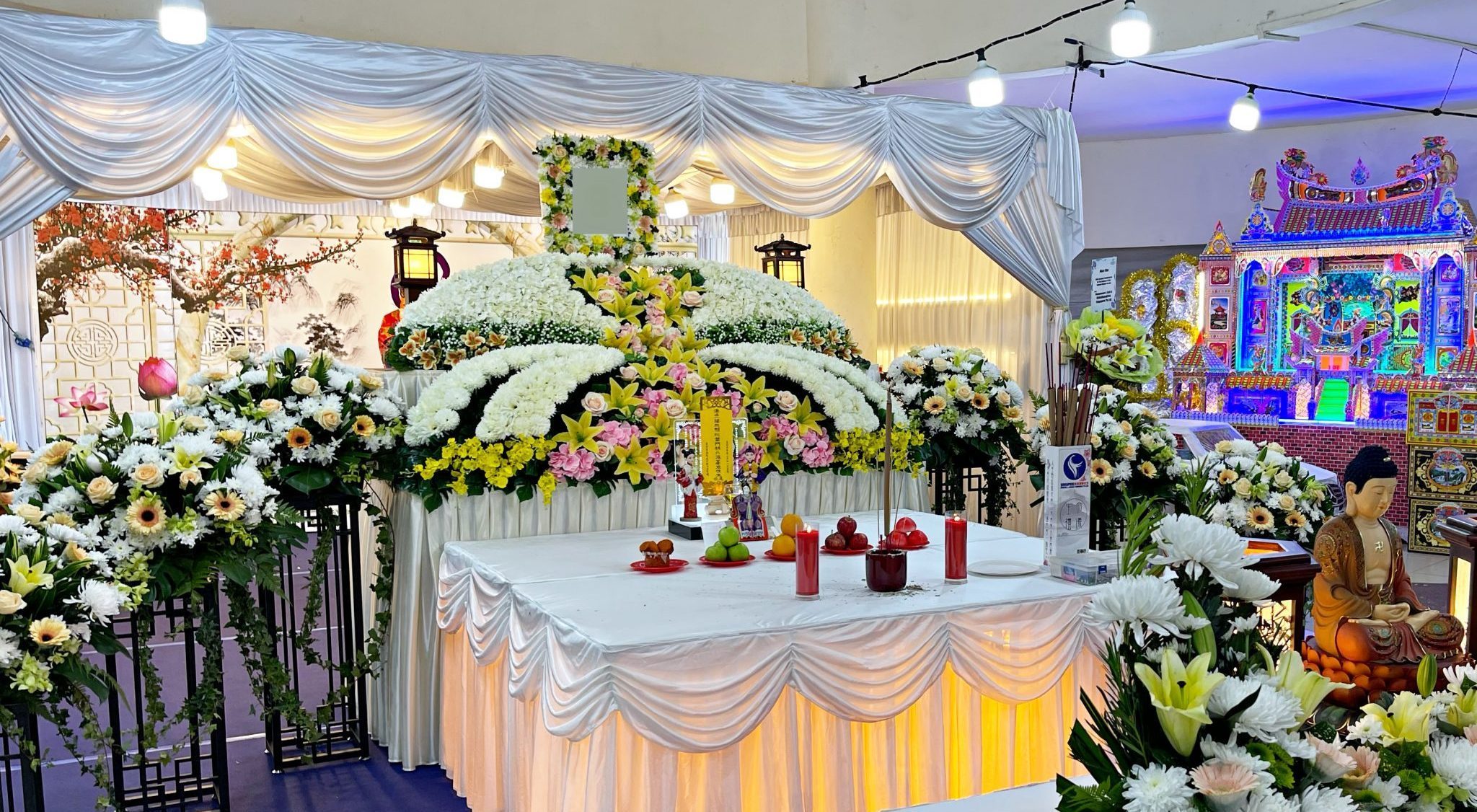
White is traditionally worn by immediate family members as a symbol of mourning and purity. Guests usually dress in black or muted colors. The setup often includes an altar with a portrait of the deceased, offerings of fruits and flowers, incense, candles, and a Buddha statue.
Key Components of Buddhist Funeral Services
1. Wake Arrangement
The wake may be held at a void deck, funeral parlour, temple, or the family home. The duration commonly ranges from three to five days, depending on the family’s preference and religious advice. During this time, relatives and friends pay their respects and participate in prayer sessions.
Professional funeral providers in Singapore typically assist with tentage, seating, lighting, altar setup, memorial decorations, and coordination with monks. They also handle permits and logistics to ensure everything proceeds smoothly.
2. Chanting and Prayer Ceremonies
Monks play a vital role in Buddhist funeral rites. Chanting ceremonies are conducted daily during the wake and before the final send-off. These prayers are believed to help the deceased attain peace and guide them toward a positive rebirth.
The chanting may include teachings associated with traditions such as those practiced in temples like Kong Meng San Phor Kark See Monastery, one of the most well-known Buddhist monasteries in Singapore. While not every funeral is conducted there, many rituals follow similar Mahayana Buddhist practices.
3. Offerings and Ritual Items
Offerings are symbolic gestures of respect and generosity. Common offerings include:
-
Fruits and vegetarian food
-
Flowers
-
Incense
-
Candles
-
Paper offerings (depending on tradition)
These items represent gratitude, compassion, and merit dedication. Funeral service providers usually prepare and arrange these offerings according to religious guidelines.
4. Final Procession and Cremation or Burial
In Singapore, cremation is the more common practice due to land scarcity. After the wake, a final prayer session is conducted before the coffin is transported to the crematorium. Families may choose government crematoria or private facilities depending on their preferences.
After cremation, ashes are typically stored in a columbarium niche, scattered at sea, or kept in a temple. The choice depends on family tradition and long-term memorial plans.
Differences Between Buddhist Traditions in Singapore
Singapore is home to diverse Buddhist communities, including Mahayana, Theravada, and Tibetan traditions. While the overall philosophy remains similar, certain rituals may differ.
-
Mahayana Buddhism (commonly practiced by Chinese Buddhists) often includes multiple days of chanting and elaborate altar setups.
-
Theravada Buddhism (common among Sri Lankan and Thai communities) may emphasize simpler rites and Pali chanting.
-
Tibetan Buddhism includes specific prayers like the reading of the Bardo Thodol (Tibetan Book of the Dead).
Experienced funeral directors familiar with Buddhist Funeral Services Singapore can guide families according to their specific sect and cultural background.
The Importance of Merit-Making
Merit-making is a central concept in Buddhist funerals. The family performs good deeds, donations, and chanting to dedicate merit to the deceased. It is believed that these actions positively influence the departed’s next rebirth.
Activities may include:
-
Offering dana (charitable giving) to monks
-
Sponsoring prayer sessions
-
Practicing vegetarian meals during the mourning period
-
Observing memorial prayers on the 7th, 49th, or 100th day
The 49th-day prayer is particularly significant, as many Buddhist traditions believe that rebirth occurs within this period.
Planning a Buddhist Funeral in Singapore
Arranging a funeral can be overwhelming, especially while coping with grief. Professional funeral companies provide structured packages that include:
-
Casket selection
-
Embalming and body preparation
-
Transportation services
-
Altar and tentage setup
-
Coordination with monks
-
Cremation booking
-
Ash collection and guidance
Choosing a reputable provider ensures that all rituals are conducted respectfully and in accordance with Buddhist teachings.
What to Consider When Selecting a Funeral Package
-
Religious Authenticity – Ensure the provider understands Buddhist rites.
-
Transparency in Pricing – Clear breakdown of costs avoids unexpected expenses.
-
Experience and Reputation – Look for companies experienced in handling Buddhist ceremonies.
-
After-Funeral Support – Assistance with columbarium arrangements and memorial services is helpful.
Cultural Sensitivity and Modern Adaptations
While traditional values remain important, modern Buddhist funerals in Singapore have evolved. Families today may incorporate multimedia tributes, personalized memorial displays, and eco-friendly options while still maintaining religious authenticity.
Some families prefer shorter wakes due to practical considerations, while others uphold extended ceremonies. Flexibility in arrangements allows families to balance tradition with modern lifestyles.
Common Etiquette for Attendees
If you are attending a Buddhist funeral in Singapore, it is helpful to observe certain etiquette guidelines:
-
Dress modestly in black, white, or dark colors.
-
Offer a slight bow before the altar.
-
Place incense respectfully if invited.
-
Avoid loud conversations or bright attire.
-
Follow instructions during prayer sessions.
Monetary condolence contributions are typically given in white envelopes. These gestures show support for the grieving family.
Emotional and Spiritual Support for Families
Beyond logistics, Buddhist Funeral Services Singapore focus on providing emotional reassurance. The presence of monks, chanting, and communal prayers often bring comfort to grieving families. The teachings emphasize impermanence and compassion, helping loved ones accept loss with mindfulness and peace.
Grief counseling and post-funeral support may also be available through some funeral providers or temples. Continuing memorial prayers offer families a sense of ongoing connection and closure.
Why Professional Guidance Matters
A well-organized Buddhist funeral ensures that religious customs are properly observed. Mistakes in ritual timing or offerings can cause additional stress for families who are already emotionally vulnerable.
Professional directors coordinate every aspect, including documentation, scheduling, religious arrangements, and venue management. Their experience helps families focus on remembrance rather than administrative tasks.
In Singapore’s structured environment, compliance with local regulations is essential. Funeral companies handle permits, transportation logistics, and crematorium bookings efficiently, ensuring a smooth process.
Preserving Tradition While Honoring Individual Wishes
Every family is unique. Some may wish for a simple ceremony focused solely on chanting, while others prefer a more elaborate farewell with extended prayer sessions and memorial displays. The beauty of Buddhist practice lies in its adaptability and compassion.
By working with experienced service providers, families can create a meaningful tribute that reflects both Buddhist values and personal memories.
Final Thoughts
Buddhist funerals in Singapore are rooted in compassion, mindfulness, and respect for the cycle of life. From chanting ceremonies and merit-making rituals to cremation and memorial prayers, each step carries deep spiritual meaning. Choosing professional Buddhist Funeral Services Singapore ensures that traditions are upheld with dignity and care.
During times of loss, having knowledgeable guidance makes a profound difference. With proper planning, respectful rituals, and community support, families can provide their loved ones with a peaceful and honorable farewell aligned with Buddhist teachings.